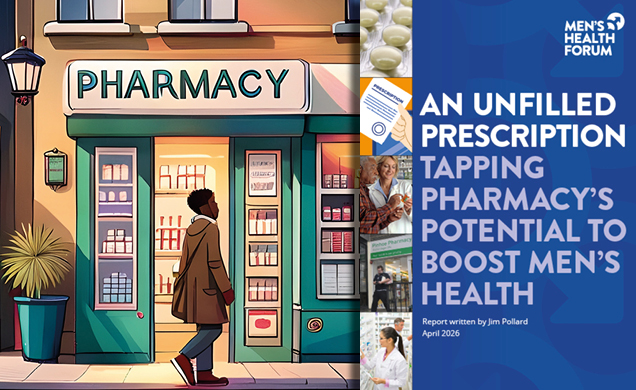
While nine out of ten men in the UK (92%) regularly walk through pharmacy doors, three-quarters of them leave without ever discussing their health with a pharmacist, our report reveals.
Based on original research work and interviews with men and pharmacists, our report, An Unfilled Prescription, supported by global consumer health leader Opella, highlights a golden opportunity to convert men's regular presence in pharmacies into a triple win: boosting men's health, improving pharmacy footfall and reducing pressure on the NHS.
Based on the research, the report concludes with a five-point plan that pharmacies should adopt to become a male-friendly pharmacy, which encourages more men to engage.
The research identified the key reasons why men remain silent, including:
- Discomfort discussing health issues in a public retail space.
- A perception that seeking help is a sign of weakness.
- A common tendency to delay seeking medical advice.
The right environment
This silence can have serious consequences. Over half of the men surveyed (57%) reported that failing to seek advice led to negative impacts on their lives, including missed work and strained personal relationships. However, the report found that men are willing to engage if the environment is right. Over a quarter of men said they would be more likely to talk to a pharmacist if they knew the conversation was private and that they could be referred to the NHS if needed.
With its Men's Health Strategy for England, the UK Government is focused on leveraging pharmacies to relieve pressure on the NHS. This report shows how.
The key message for men is that pharmacy is for you. It is a far better source of health advice and information than, for example, AI. By addressing the specific barriers preventing men from seeking advice, we can unlock the potential of pharmacies to become the front door to the health system for them.
To support the report, we have developed a practical five-step plan to help pharmacies better engage men and transform their stores into trusted health hubs. The plan was developed with feedback from pharmacists, nearly all of whom reported facing barriers to engaging male customers.
A five-point plan for pharmacy
1. Create a Welcoming Space
Designate a clearly advertised private consulting room to ensure confidentiality.
2. Appoint a Champion
Nominate a 'Men’s Health Champion' trained in discussing men's health issues.
3. Offer Dedicated Services
Introduce dedicated services like 'men's health MOTs' and other tailored check-ups.
4. Improve Access & Guarantee Privacy
Review opening hours and implement online booking systems to offer flexibility and discretion.
5. Engage the Community Proactively
Actively reach out to men in the local community rather than waiting for them to ask for help.
Nick Linton, the UK Country Head of Opella, said:
Community pharmacies are the frontline of our health service, and we are committed to supporting them. We welcome these recommendations, which provide clear, actionable guidance. Ensuring pharmacy meets its full potential will require a collaborative effort across government, regulators, and companies like Opella, and we are ready to play our part.